
June 28, 2026
Where the Work Happens Matters: What the New QPP Rules Mean for Your Facility
The One Big Beautiful Bill Act (H.R. 1, 119th Congress) added a new provision in Section 168(n) called Qualified Production Property, or QPP. If a building is used directly for qualifying manufacturing, production, or refining activity in the United States, a portion of that building may be deducted in a single year when it’s placed in service, rather than depreciated over many years.
Law text source: View the bill text
The House Ways and Means Committee’s section-by-section explanation provides the legislative reasoning and definitions.
Committee summary: Read the Ways and Means summary (pgs. 10-11)
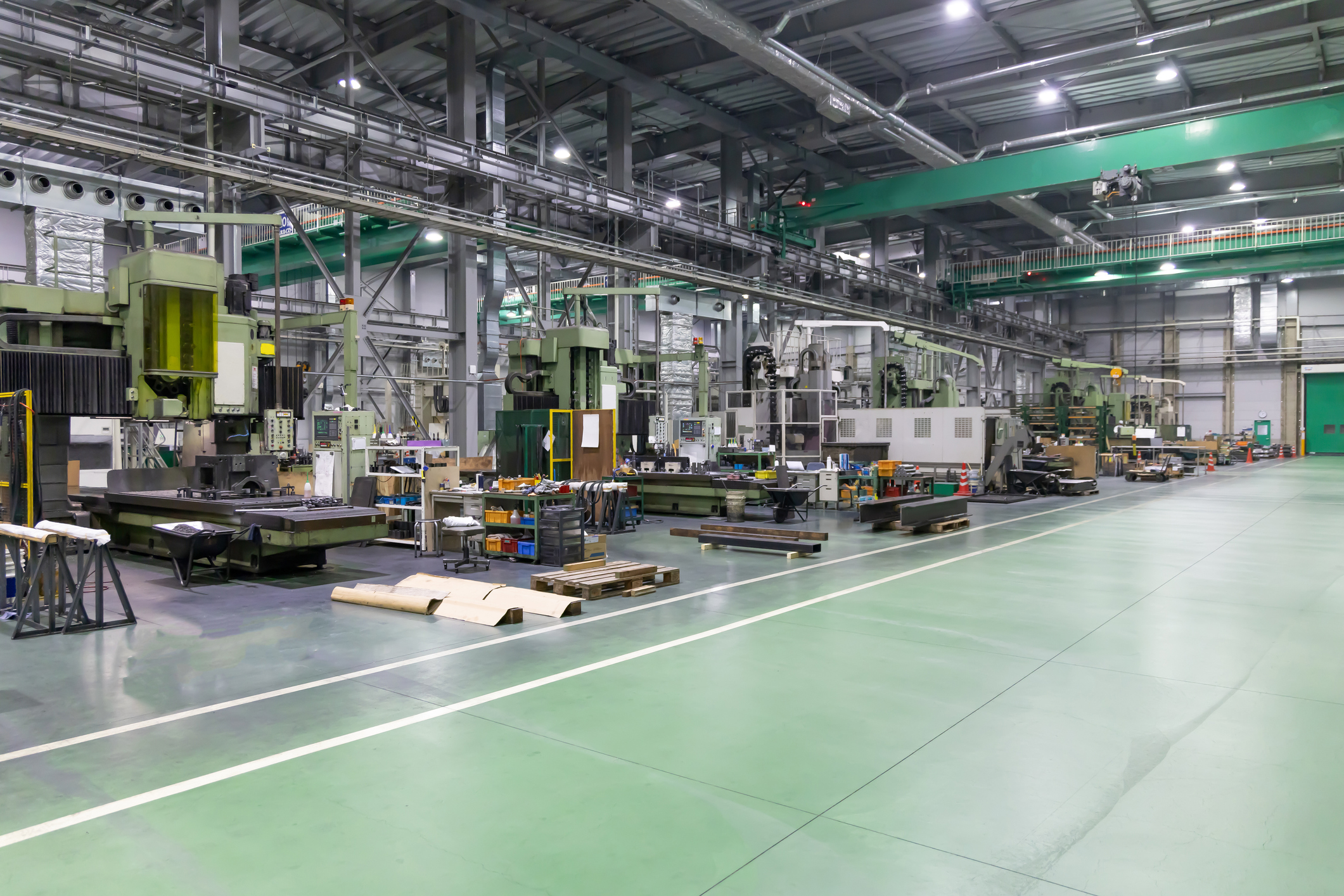
The deduction applies to the parts of a building where something physical is actually being made or substantially changed. If an area supports production directly, such as a factory floor, processing area, or material-handling area tied to the line, that portion can qualify. Offices, breakrooms, parking areas, research labs, design space, conference rooms, and general administrative space do not. The distinction is about what happens in the space, not how it is labeled on a blueprint.
The law also includes firm timing rules. Construction must begin after January 19, 2025, and before January 1, 2029, and the property must be placed in service before January 1, 2031. If the qualifying use stops within 10 years after the building is placed in service, some or all of the first year benefit may have to be recaptured. This is not only about how the building is used on day one. The qualifying use needs to hold up over time.
You can only claim the deduction for the actual cost of the space you use for production, so you’ll need detailed documentation. That means saving your floor plans, construction invoices, cost breakdowns, and records that show how each area is really used day to day.
Ownership is a key point. As a general rule, the taxpayer claiming the deduction must be the one actually using the building in the qualifying production activity. That means if one entity owns the real estate and leases it to a separate operating company, the owner usually cannot claim QPP just because the tenant is manufacturing there.
Consolidated groups and certain related-party leases are subject to different rules. If your real estate is owned separately from your business operations, check those rules to determine whether QPP applies to you: Review the enrolled bill
OBBBA also restored 100 percent bonus depreciation under Section 168(k) for eligible property with a recovery period of 20 years or less. It is worth understanding how that provision and QPP fit together, because they cover different things. Bonus depreciation applies to the moving parts such as machinery, equipment, and certain qualified improvements. QPP applies to the permanent structure that houses the equipment. A new facility or major expansion may involve both provisions, making early planning especially important.
OBBBA also changed the treatment of domestic research and experimental expenditures. That rule is separate from QPP and is governed by its own definitions and timelines. The controlling language is in the same enrolled bill linked above.
In many cases, the cleanest path to QPP is when the operating company owns the building and uses it directly in production. When that is the case, the ability to deduct a substantial portion of the building in the first year can meaningfully improve early cash flow on a new facility or expansion. When real estate is held in a separate entity and leased to the operator, QPP may be more difficult to claim, but related-party and consolidated-group rules may still need to be reviewed before ruling it out.
Whether a project qualifies often comes down to a handful of practical questions: What is being produced in the facility? Which areas are used directly in production? Who owns the property for federal tax purposes? And do the construction and placed-in-service dates satisfy the requirements of the law?
Those details often determine the outcome.
If you are planning a new facility or expansion and want to understand how QPP applies to your structure, contact our team.